Picture this: you’re watching a Cowboys game at AT&T Stadium. Individual players can only see what’s directly in front of them – the defender they’re blocking, the route they’re running, the tackle they’re making. But the referees? They see the entire field. They spot the holding penalty happening 20 yards away from the ball. They catch the false start before the play even begins.
That’s exactly what happened two weeks ago with one of our Dallas-Fort Worth customers. While their internal team was focused on day-to-day operations, our managed detection and response platform was watching the whole field – and we caught a sophisticated hacker in under 3 minutes.
Here’s the real story of how 14 days of action saved a local business from what could have been a devastating ransomware attack.
The Early Warning Signs: When Hackers Start Circling
Three months ago, this customer – a North Texas business – started noticing some odd things. Their spam folder was getting fuller. Employees were receiving emails that looked like they came from company executives, but the sender addresses were slightly off.
What they didn’t realize was that they were being actively targeted by what we call a sophisticated threat actor. Think of it like a burglar who doesn’t just try random door handles. Instead, they study your house for weeks, learn your schedule, and create fake IDs that look like your family members.
The hackers had created doppelganger email domains – websites that looked almost identical to the company’s real domain. They were sending targeted phishing emails designed specifically for this business. This wasn’t some random spam campaign. This was a coordinated, patient attack.
Here’s the thing: most Dallas-area businesses would have dismissed these as “just more spam.” But these early warning signs told us something much more serious was brewing.
Why Traditional Security Wasn’t Enough
This customer had what most small and medium businesses consider “good” cybersecurity. They had antivirus software, a firewall, and employee training. But here’s what they didn’t have: eyes on their network 24/7.
Traditional security tools are like having really good locks on your doors. They’ll stop the obvious break-in attempts. But what happens when someone finds a way inside and starts quietly moving through your house at 2 AM?
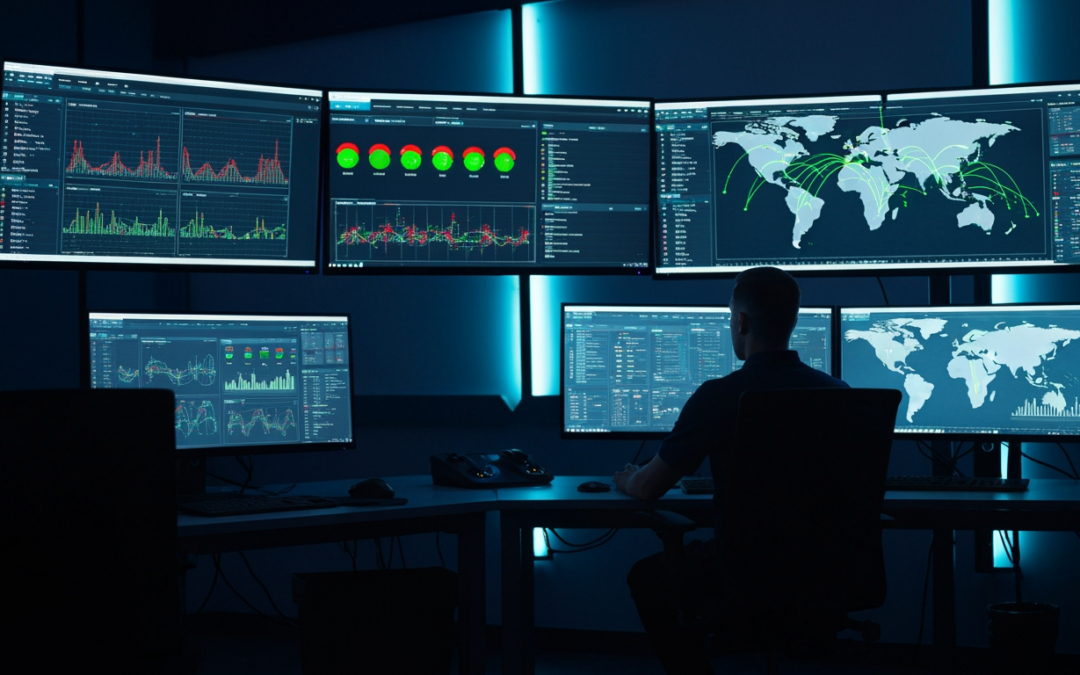
That’s where managed detection and response comes in. MDR isn’t just another security tool – it’s like having a security guard who never sleeps, never takes a coffee break, and knows exactly what normal activity looks like in your business.
Our MDR platform works inside the DHS and CISA cyber defense ecosystem. We’re not just watching your network in isolation – we’re connected to threat intelligence from across the country. When hackers use a new technique in California, we know about it before they try it in Texas.
The Attack: How We Caught Them in Real Time
Two weeks after deploying our MDR platform, the threat actor made their move. It was a Tuesday afternoon when our security operations center detected something that made our analysts sit up straight.
The hackers had finally found a way into the network. But instead of immediately deploying ransomware, they tried something called lateral movement. Think of it like a burglar who gets into your garage and then tries to quietly move through your house to find the most valuable items.
In cybersecurity terms, lateral movement means the hackers were trying to spread from one computer to others on the network. They wanted to find where the really sensitive data was stored before launching their final attack.
Here’s where our “referee” advantage kicked in. While the hackers thought they were moving quietly through the network, our MDR platform was watching every single connection, every file access, every unusual login attempt.
Within three minutes of the first lateral-movement signal, our team had isolated the compromised systems and cut off the hackers’ access.
Three minutes. That’s how long it took us to spot the threat, analyze it, and shut it down – before any data was stolen or encrypted.
What Real-Time Threat Detection Actually Means
When we say “real-time threat detection,” we’re not talking about getting an alert the next morning or even an hour later. We mean our analysts were watching this attack unfold live and responding immediately.
Most businesses find out about a cyber attack weeks or even months after it happens. By then, hackers have had plenty of time to steal customer data, financial records, and anything else valuable. They’ve had time to study your systems and plan the most damaging ransomware attack possible.
Our customer didn’t have to worry about any of that. The hackers never got past that first lateral movement attempt. No data was stolen. No systems were encrypted. No ransom demands appeared on their screens.
The reality is, if this business had waited even two more weeks to upgrade their cybersecurity, they would almost certainly have been fully compromised. The hackers were already inside and actively working toward their final attack.
Why Response Speed Matters More Than You Think
You might wonder: why does three minutes versus thirty minutes matter? Here’s the brutal truth about modern cyber attacks.
Once hackers establish a foothold in your network, they move fast. They’re not leisurely browsing through your files like they’re shopping at NorthPark Mall. They have automated tools that can spread through your entire network, copy your most sensitive data, and deploy ransomware across hundreds of computers in under an hour.
Every minute counts. The difference between a three-minute response and a thirty-minute response could be the difference between stopping an attack and losing your entire business.
For our Dallas-Fort Worth customer, those three minutes saved them from:
- Weeks or months of business disruption
- Hundreds of thousands in ransom payments and recovery costs
- Potential lawsuits from customers whose data was stolen
- Permanent damage to their reputation
- Possible closure of their business
What This Means for Your Business
If you’re running a business here in the Metroplex, this story should tell you something important: sophisticated hackers aren’t just targeting big corporations anymore. They’re going after mid-sized professional services firms, healthcare practices, law offices, and manufacturing companies.
The hackers who targeted our customer weren’t script kiddies trying random attacks. They were patient, organized, and specifically focused on this one business. They spent months preparing their attack.
Here’s what you need to know: traditional cybersecurity tools can’t stop these kinds of targeted attacks. You need managed detection and response that can spot threats in real-time and respond immediately.
Think about it this way – you wouldn’t try to referee a football game while also playing quarterback. You need someone whose only job is watching the whole field and calling out problems the moment they see them.
The Bottom Line: Two Weeks Made All the Difference
Our customer made a decision to upgrade their cybersecurity just two weeks before hackers tried to destroy their business. Those 14 days of proactive action saved them from what could have been a company-ending cyber attack.
The question for your business is simple: are you going to wait until hackers are already inside your network, or are you going to get the “referee” watching your field before the game starts?
At Modo Networks, we’ve built our managed detection and response platform specifically for Dallas-Fort Worth businesses like yours. We understand that you don’t have time to become a cybersecurity expert – you have a business to run.
That’s why we handle the 24/7 monitoring, threat detection, and immediate response. You focus on growing your business. We’ll make sure hackers don’t get the chance to destroy it.